

Blog
The Future of Sustainable Agriculture: Hydroponic and Aeroponic Systems in Emerging Markets

As we move into 2026, sustainable agriculture is no longer a choice—it's a necessity, especially in emerging markets facing water scarcity, climate change, and rapid population growth. Traditional soil-based farming struggles in arid regions like the Middle East, Central Asia, and parts of Africa and India. This is where innovative soilless methods like hydroponic systems and aeroponic farming come in, offering efficient, high-yield solutions that use significantly less resources.
What Are Hydroponic and Aeroponic Systems?
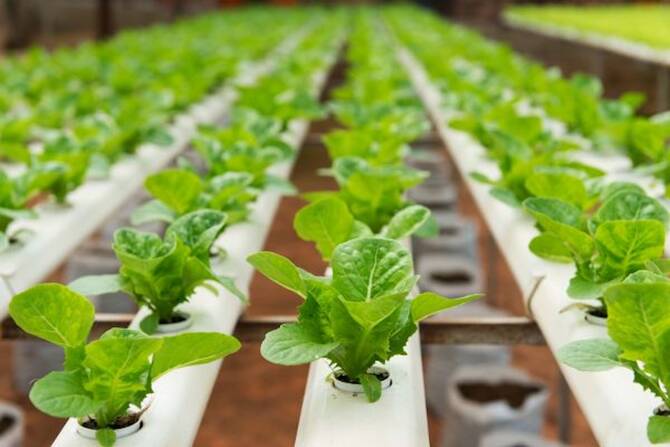
Hydroponic farming involves growing plants in nutrient-rich water solutions without soil. Roots are supported by inert media like rockwool or directly submerged/submerged in water channels (e.g., Nutrient Film Technique or NFT). This closed-loop system recycles water, reducing usage by up to 90% compared to conventional agriculture.
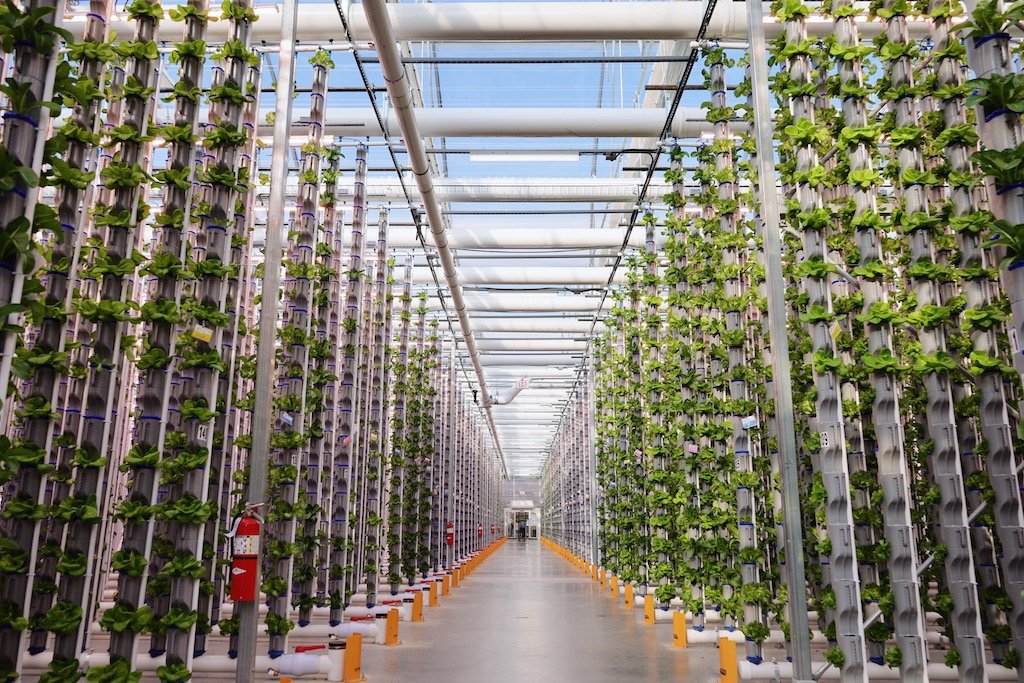
Aeroponic systems take it further: plants are suspended in air, with roots misted periodically with nutrient solutions. No growing medium is needed, leading to even greater efficiency—up to 98% less water—and faster growth rates (often 40% quicker) due to optimal oxygen exposure.
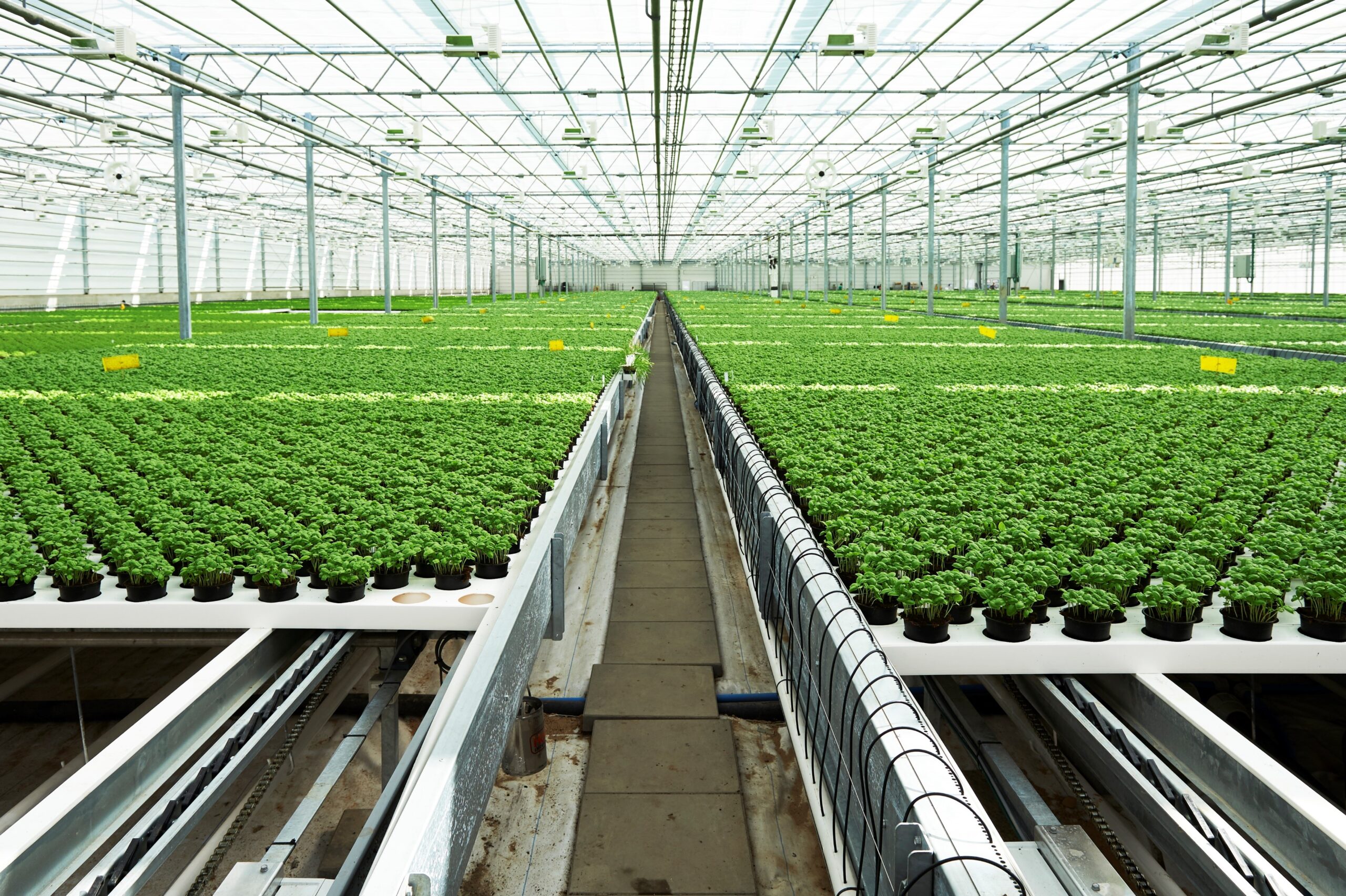
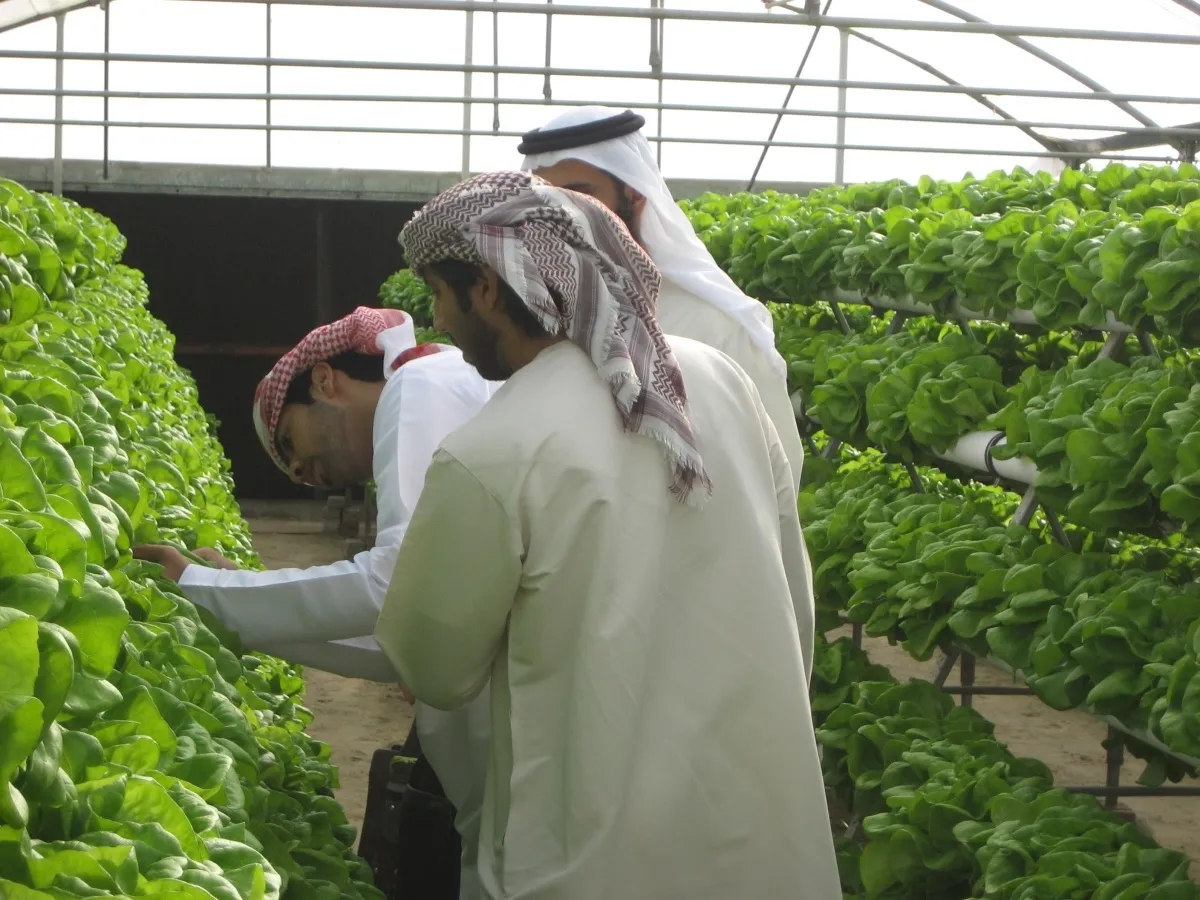
These technologies are ideal for vertical farming, maximizing space in urban or desert environments. Crops like leafy greens, herbs, tomatoes, and strawberries thrive, producing higher yields per square meter while minimizing pests and eliminating the need for chemical pesticides.
Why Emerging Markets Need These Solutions Now
In regions with limited arable land and freshwater—such as Saudi Arabia, Egypt, Jordan, and the UAE—traditional farming is unsustainable. Climate reports predict further water stress by 2030. Hydroponics and aeroponics address this directly:
- Water Efficiency: Critical in desert climates where evaporation is high.
- Year-Round Production: Controlled environments ignore seasonal changes.
- Higher Yields: Up to 10-20 times more produce than soil farming in the same space.
- Sustainability: Reduced carbon footprint through local production and less transportation.
Recent projects in the Middle East, like vertical farms in Dubai and Bahrain, have demonstrated real-world success, supplying fresh produce to local markets with minimal imports.
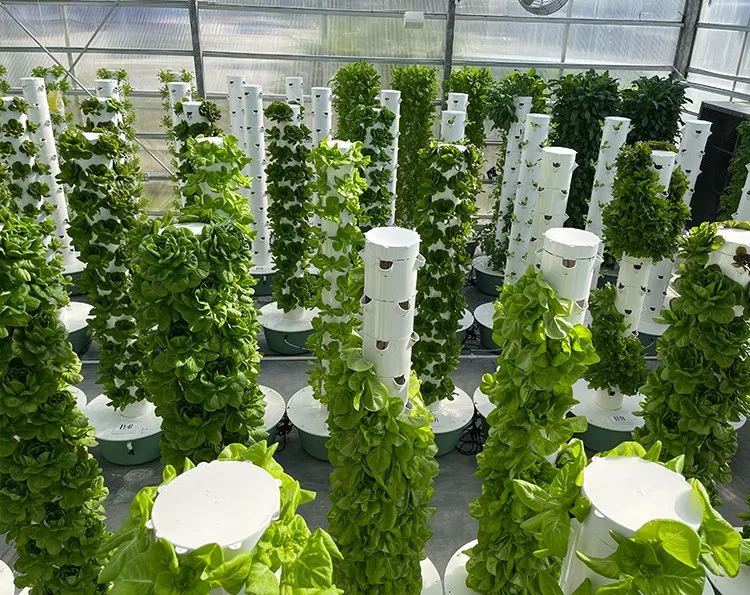
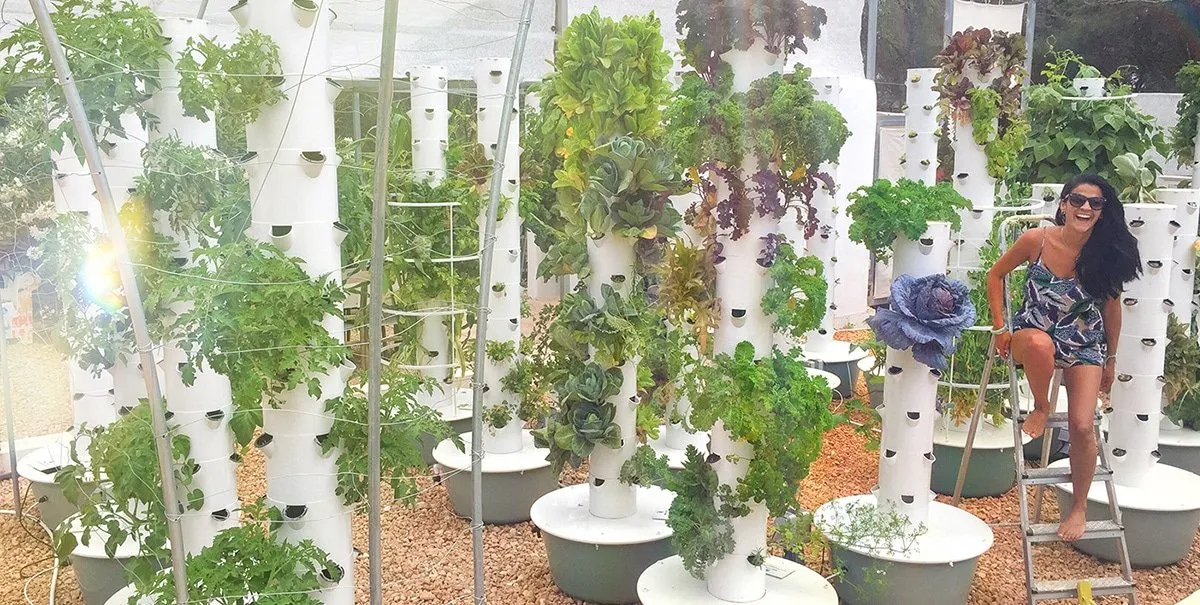
How EPCOM Holding Supports Sustainable Farming Projects
At EPCOM Holding, our Technical and Engineering Services (EPC) division specializes in designing and implementing these advanced systems. With over 25 years of experience in challenging environments, we provide full-cycle solutions—from feasibility studies and system design to installation, automation, and ongoing support.
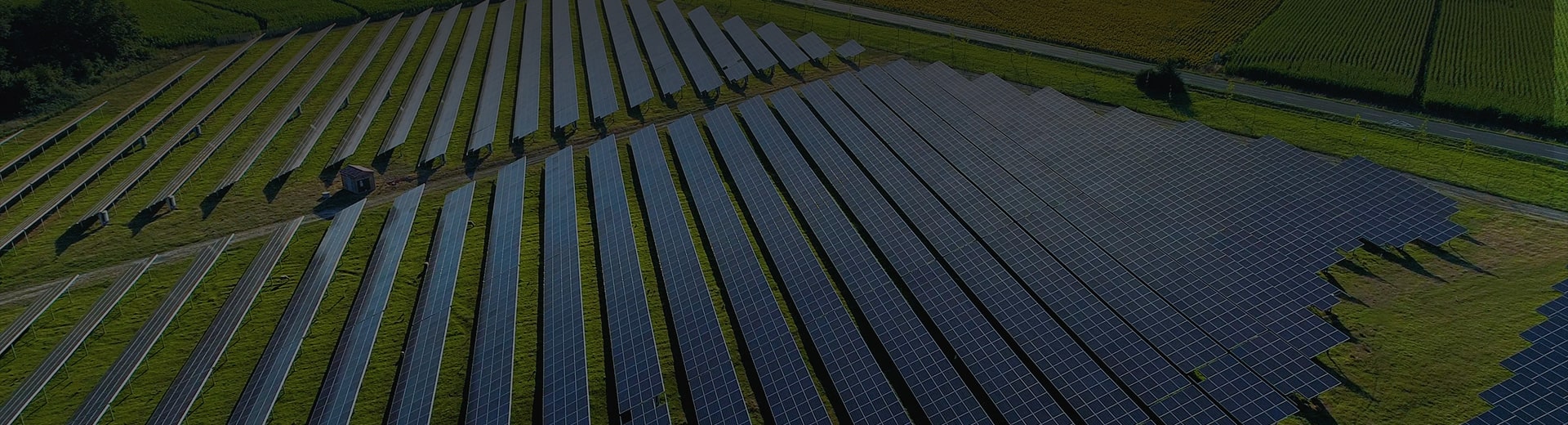
Whether it's a vertical hydroponic setup for urban farming or aeroponic towers for high-value crops, we tailor projects to local needs, integrating renewable energy sources like solar for even greater sustainability.
Looking Ahead: The Future Is Soilless
By 2030, experts predict soilless farming will account for a significant portion of food production in water-stressed areas. Adopting hydroponic and aeroponic systems today ensures food security, economic growth, and environmental protection.
If you're exploring sustainable agriculture opportunities in emerging markets, contact us for a consultation. Our team can help turn your vision into a efficient, profitable reality.