


Blog
Investment Opportunities in Renewable Energy and Infrastructure in 2026


In 2026, renewable energy and infrastructure remain two of the strongest investment themes globally, especially in emerging markets. With energy demand rising, fossil fuel transitions accelerating, and governments committing to net-zero targets, capital is flowing into solar, wind, energy storage, smart grids, roads, ports, and urban development projects.
This post highlights realistic opportunities, key drivers, risks, and why emerging regions offer some of the highest potential returns right now.
Why Renewable Energy & Infrastructure Are Attractive in 2026
- Policy Support — Many countries in the Middle East, Central Asia, Africa, and South Asia have set aggressive renewable targets (e.g., Saudi Vision 2030, UAE Net Zero 2050, India 500 GW renewables by 2030).
- Falling Costs — Solar panel prices continue to drop; battery storage is becoming affordable enough for utility-scale projects.
- Energy Security — Nations want to reduce dependence on imported fuels.
- Infrastructure Gap — Rapid urbanization and population growth create massive demand for power grids, transportation, water, and logistics.
- Financing Availability — Green bonds, development banks (ADB, AIIB, Islamic Development Bank), and private equity funds are actively seeking projects.
These factors create a favorable environment for both equity and debt investments.
Top Opportunity Areas in Emerging Markets
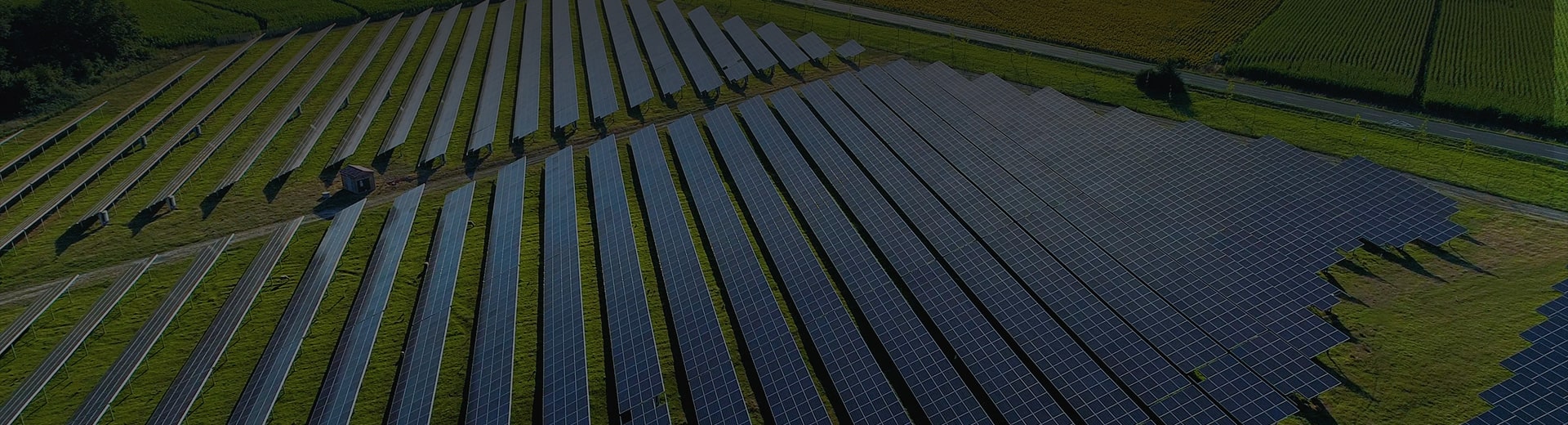
- Utility-Scale Solar & Solar + Storage Large solar farms (50–500 MW) combined with battery energy storage systems (BESS) are among the most bankable projects. Returns can reach 10–15% IRR in sunny regions with good PPAs (Power Purchase Agreements).
- Onshore & Offshore Wind Wind is gaining traction in coastal and high-wind areas (e.g., Morocco, Egypt, Kazakhstan, Pakistan). Hybrid solar-wind projects reduce intermittency risks.
- Grid Modernization & Transmission Upgrading aging grids, building interconnectors, and smart grid tech to integrate renewables. These projects often have government backing and stable cash flows.
- Public-Private Partnerships (PPPs) in Transport & Water Toll roads, ports, airports, desalination plants, and wastewater treatment. Many governments offer long-term concessions with minimum revenue guarantees.
- Green Hydrogen & Ammonia Early-stage but high-growth potential in regions with cheap solar (e.g., Gulf countries, North Africa). Pilot projects are scaling to commercial in 2026–2028.
Realistic Risks to Consider
- Regulatory & Political Risk — Changes in subsidies, tariffs, or government stability.
- Currency & FX Risk — Many projects earn local currency revenue but have dollar-denominated debt.
- Offtaker Risk — Utility companies sometimes delay payments.
- Execution Risk — Delays in permitting, land acquisition, or supply chain issues.
Mitigation comes from strong due diligence, experienced developers, and insurance products (MIGA, OPIC equivalents).
How EPCOM Holding Supports Investors
Our Investment and Financial Consulting division specializes in identifying, analyzing, and structuring opportunities in renewable energy and infrastructure across emerging markets. We provide:
- Project sourcing and partner introductions
- Economic & financial modeling
- Currency risk hedging strategies
- Capital raising support (equity, debt, green financing)
We focus on sectors where we have deep operational knowledge—energy, mining, infrastructure—ensuring investments are realistic and grounded.
Outlook for 2026 and Beyond
The next 3–5 years will likely see record capital deployment into renewables and infrastructure in emerging economies. Early movers who select high-quality projects with strong offtakers and experienced teams can achieve attractive, risk-adjusted returns.
If you are looking for vetted opportunities in these high-growth sectors, our team can help you navigate the landscape.